
I’ll admit it: before visiting Tucson, I mostly pictured cacti, desert landscapes and a whole lot of sunshine. And while Tucson certainly delivers on all three (seriously, bring the sunscreen), I quickly realized there’s much more to the city than meets the eye.
From incredible Mexican food and colorful neighborhoods to hiking trails and quirky attractions, Tucson surprised me. It has that laid-back Southwestern feeling I love, but with plenty going on if you know where to look.
After spending time exploring the city, these are my 14 favorite things to do in and near Tucson. Including the places I’d recommend to a first-time visitor and a few experiences you might not expect to find in the middle of the Sonoran Desert.

This post was written in collaboration with Anna from Soul Summit Travel to give you the most well-rounded list of recommendations.
Top things to do in Tucson
Let’s get straight to it!
1. Explore Saguaro National Park
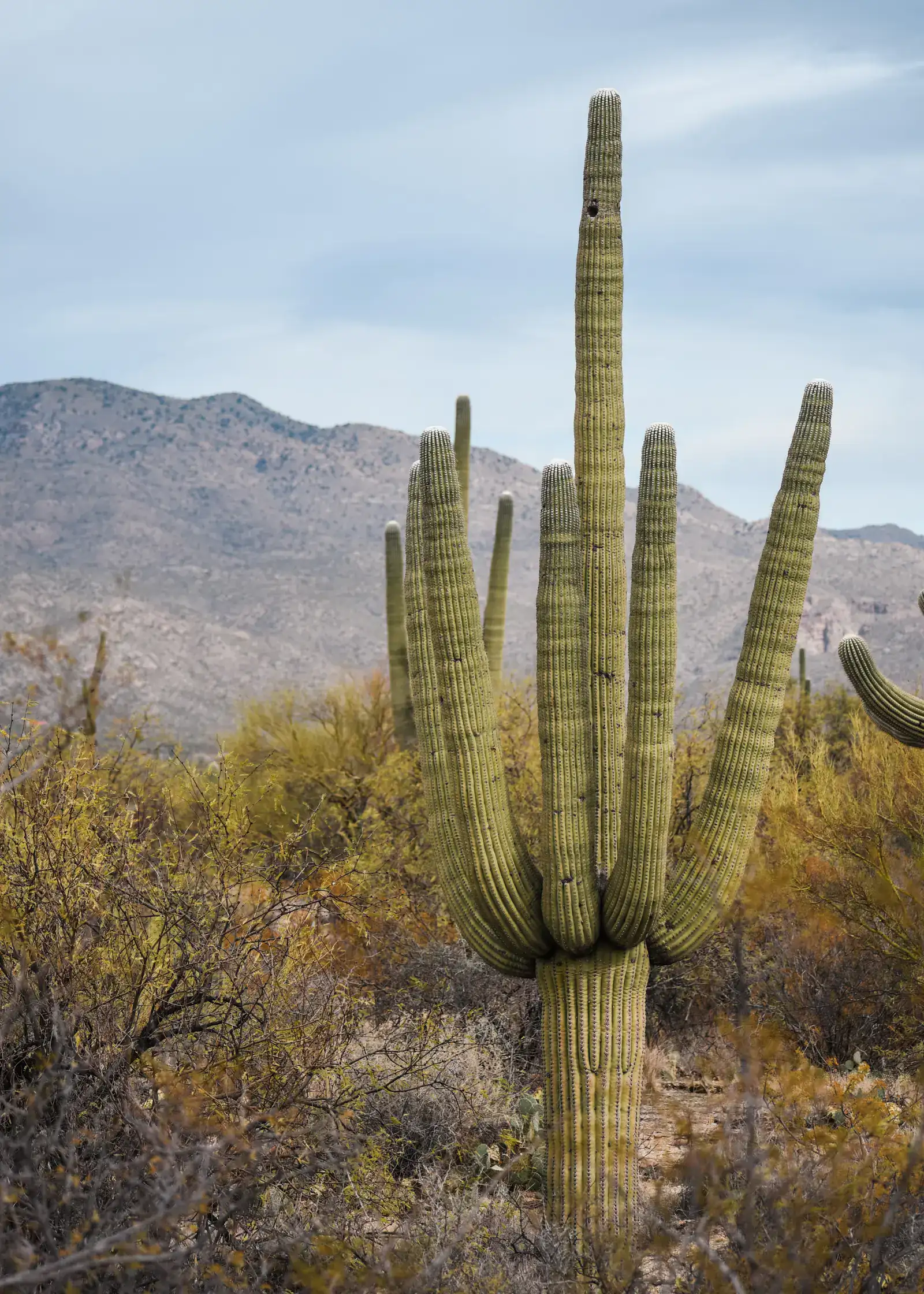
Saguaro National Park is a must-visit while you’re in Tucson. It’s a great place to get outside and immerse yourself in the Sonoran Desert, while learning about the impressive Saguaro Cactus.
Something to know is that this park is actually split into two sections. One is on the west side of Tucson and the other is located on the eastern border of the city.
The East side is the more popular of the two. It’s larger, has more hiking trails, and the Saguaro Cacti you’ll find in the park are huge (this means they are older). The West side is more remote with fewer crowds. The cacti on this side of the park tend to be smaller and less impressive than on the east side.
Whichever side of Saguaro National Park you choose to visit, you’ll be treated to amazing mountain views and towering saguaro cacti everywhere you look, which are sure to leave you in awe.
2. Go hiking in Sabino Canyon
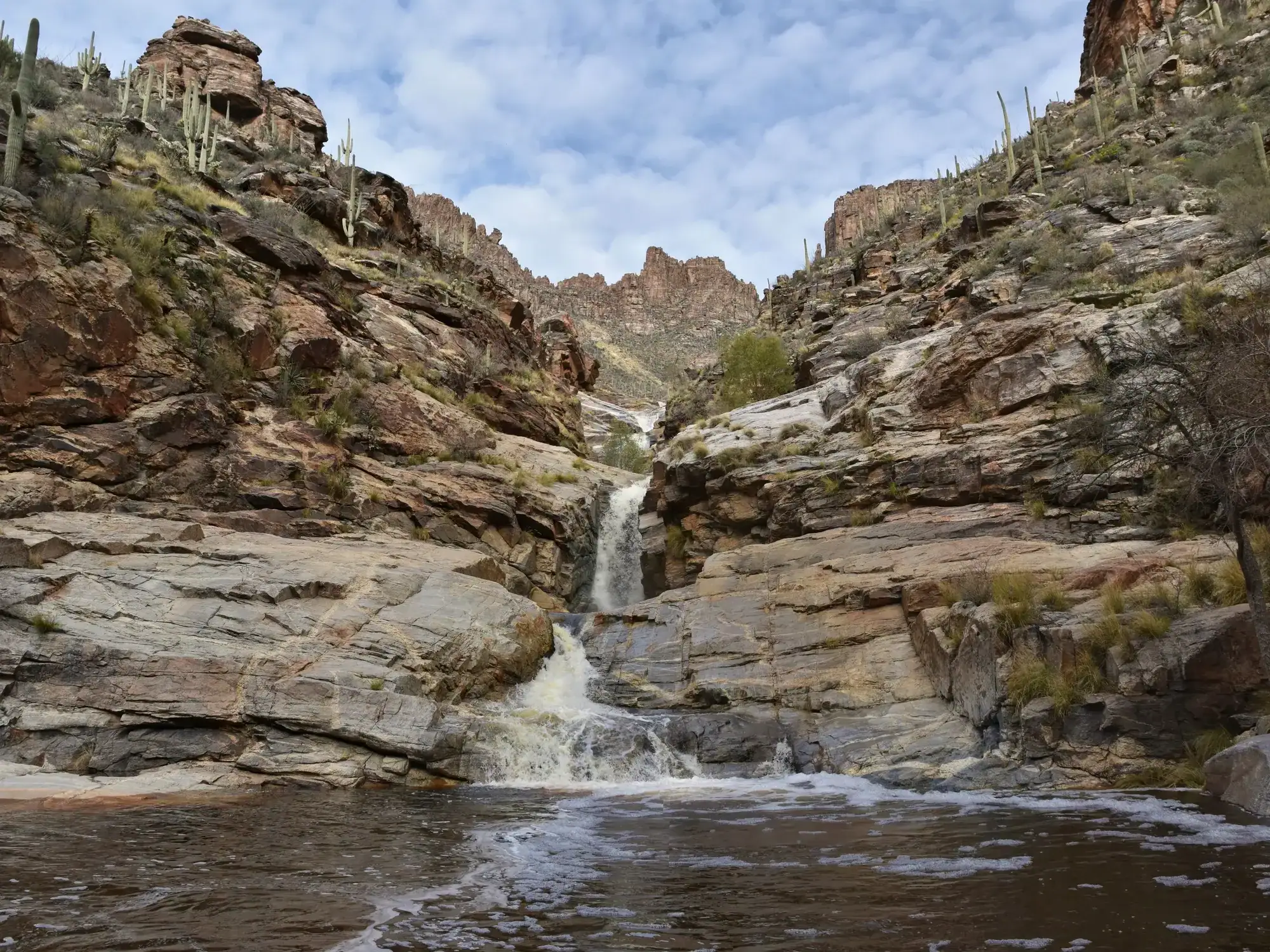
For a taste of the Sonoran Desert without going too far from the city, Sabino Canyon is one of the best places to hike in Tucson. The canyon has trails for different fitness levels, with towering saguaros, mountain views and, depending on the season, flowing water and waterfalls.
For an easier walk, try the Sabino Canyon Walkway, a 3.7 km (2.3-mile) loop that follows the creek and passes a waterfall and historic dam. If you want more of a challenge, Seven Falls is the popular choice.
The roughly 8-mile hike follows Bear Canyon to a series of waterfalls and pools, where you can cool your feet after the hike. You can also take the Sabino Canyon Crawler shuttle to shorten the walk to the trailhead.
Whichever trail you choose, bring plenty of water and sun protection. Desert hiking is no joke, even when the trail looks deceptively easy!
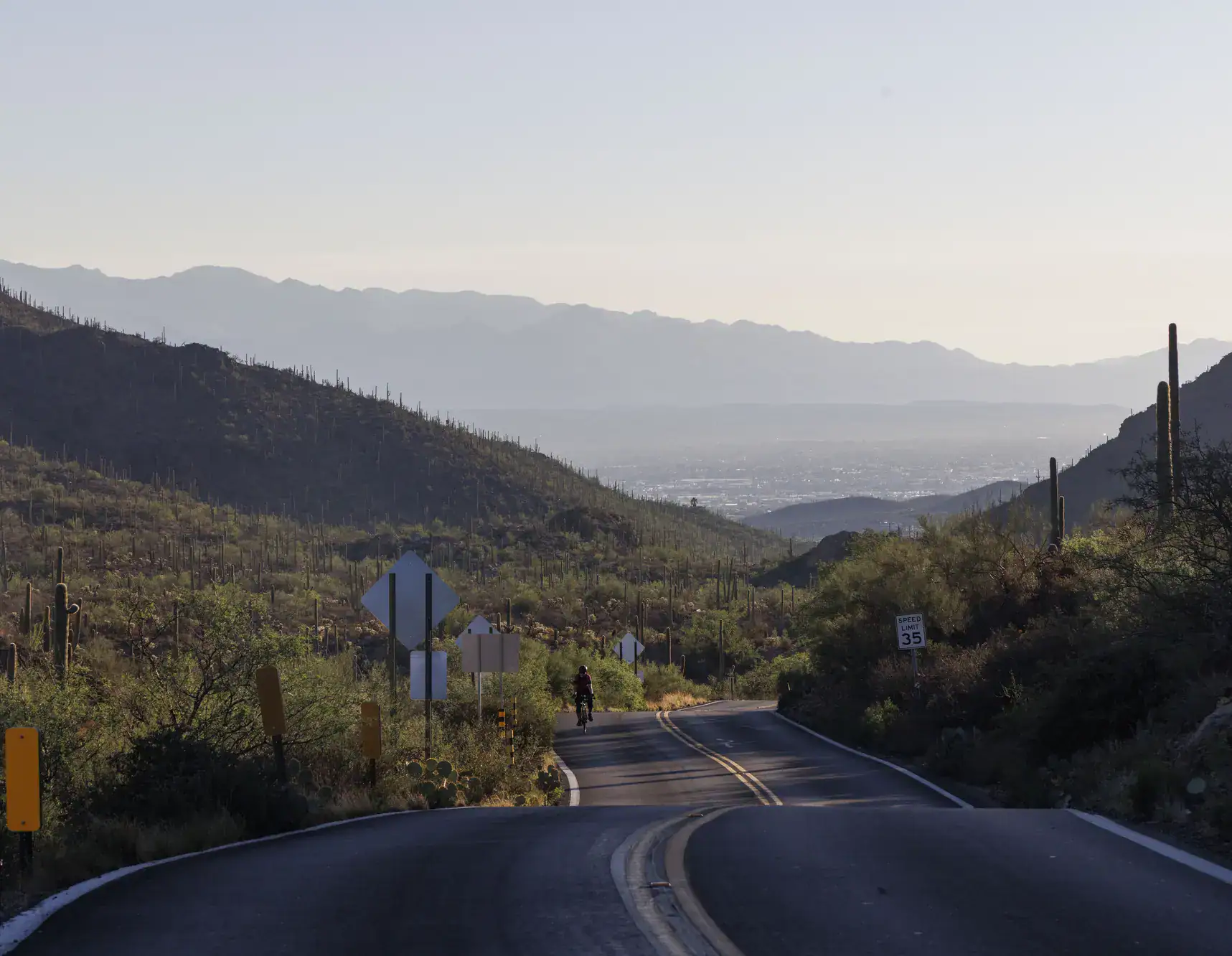
3. Drive the Mount Lemmon Scenic Byway
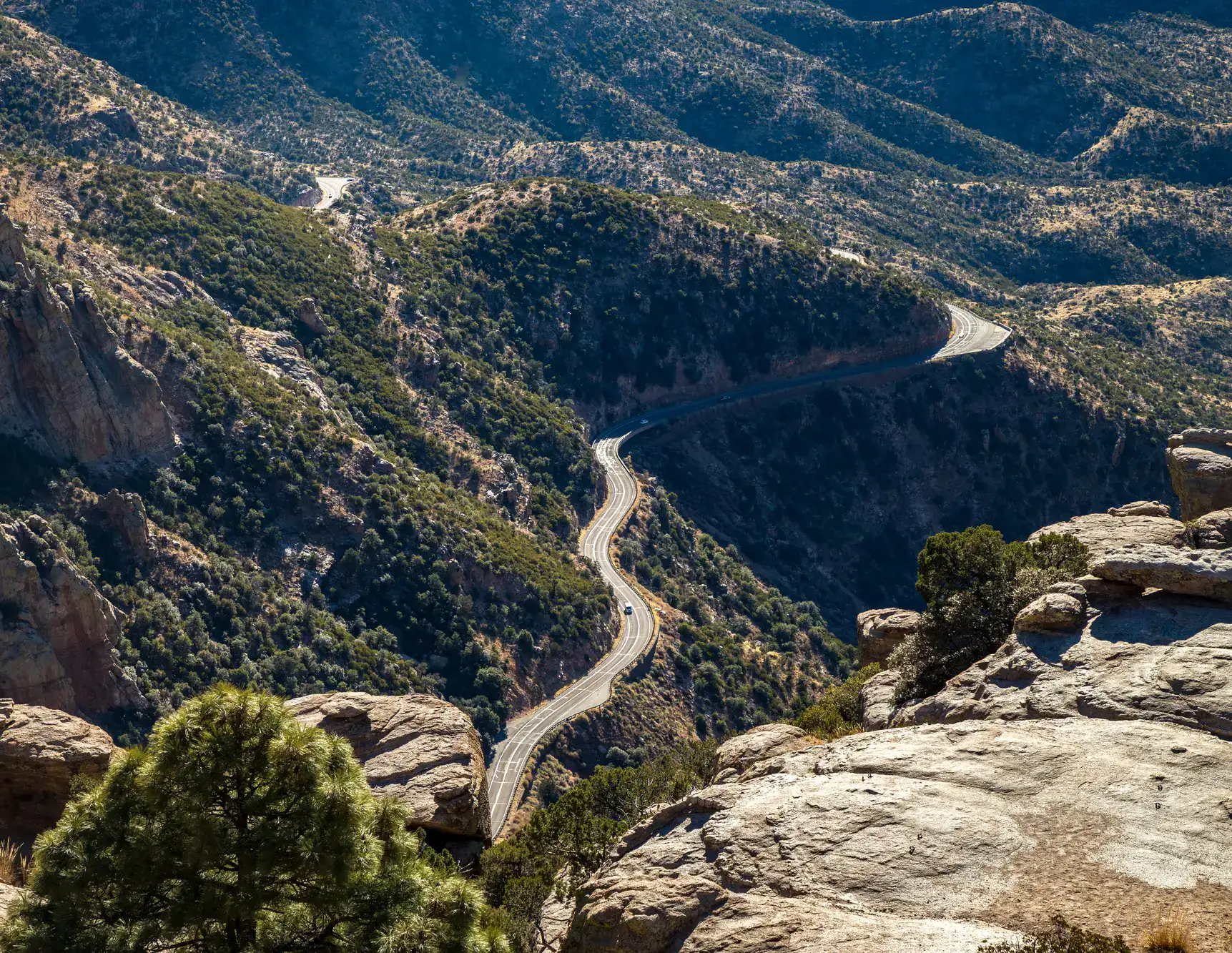
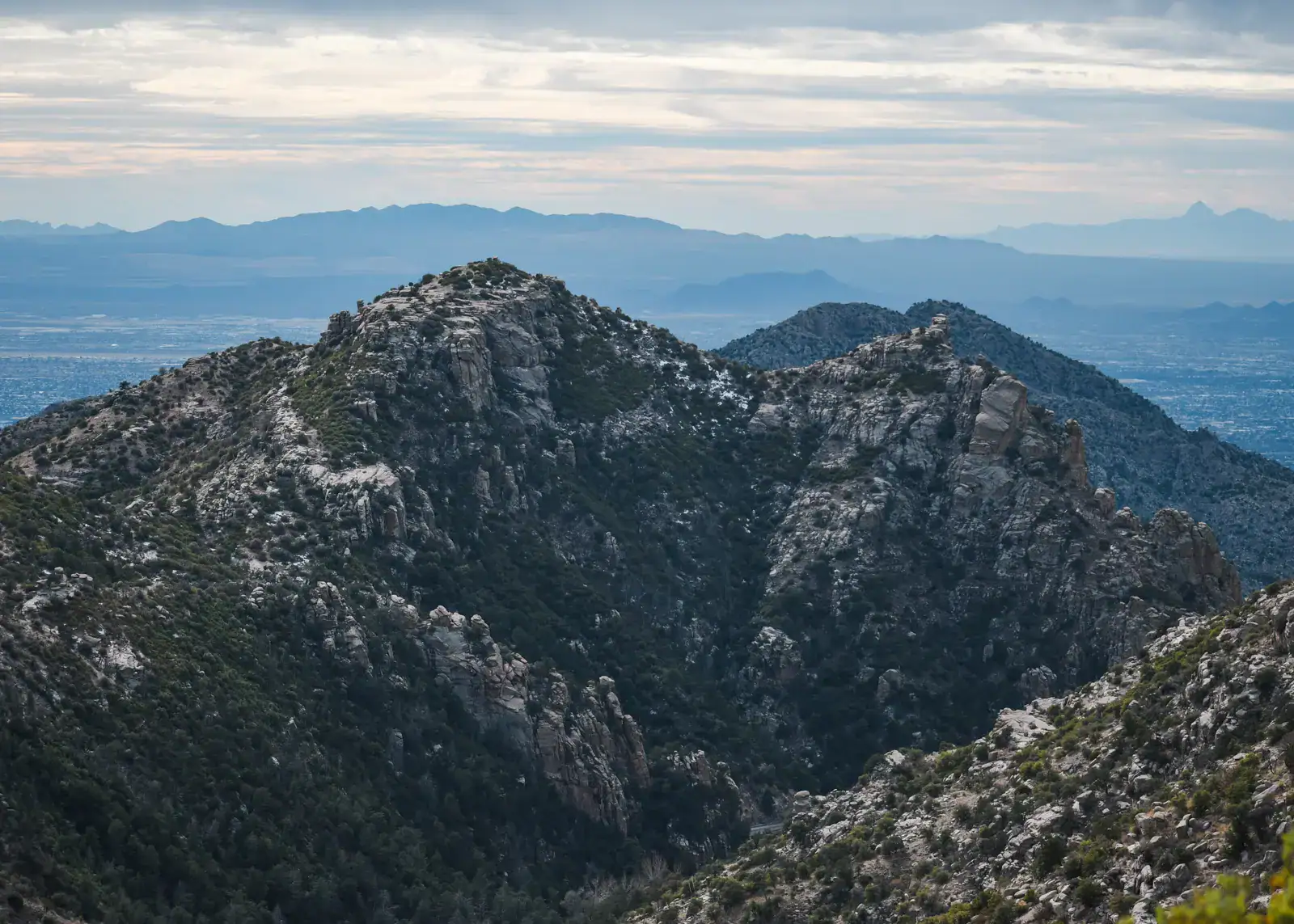
The best scenic drive in Tucson is by far the Mount Lemmon Scenic Byway. From bottom to top, you’ll ascend 1,830 meters (6,000 feet) while crossing five distinct climate zones. You’ll begin in the Sonoran Desert and end in an alpine forest. This is the biological equivalent of driving from Mexico to Canada!
This highway is completely paved and is only 27 miles one way. There are some tight hairpin turns, but for the most part, it is an easy drive.
As you can imagine, the views along the way are just spectacular. Witnessing the landscape change so drastically right before your eyes is incredible. There are several overlooks you can get out to fully take it in.
At the top, you can explore the quaint town of Summerhaven, go hiking, or check out the Mount Lemmon Ski Valley, known as the southernmost ski resort in the lower 48!
4. Visit Arizona-Sonora Desert Museum
Despite the name, this is so much more than a museum. The Arizona-Sonora Desert Museum is part zoo, botanical garden, aquarium and natural history museum, all spread across 98 acres of beautiful Sonoran Desert.
I loved that you’re not just walking from one indoor exhibit to another—you’re wandering along desert trails while spotting animals in habitats designed to resemble their natural surroundings.
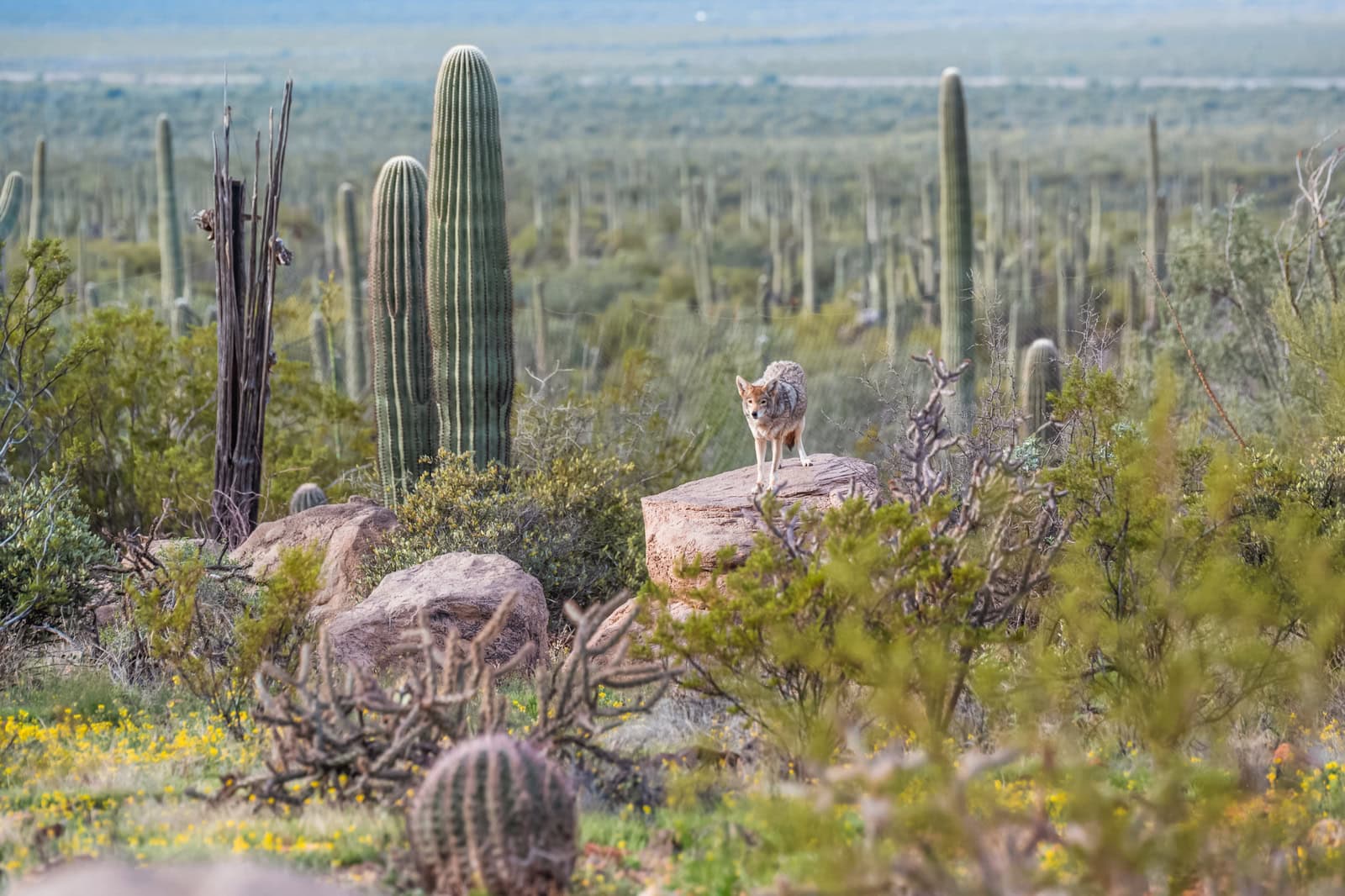
Keep an eye out for javelinas, coyotes, mountain lions, Mexican gray wolves and hummingbirds, and don’t miss the Desert Loop Trail. If you time your visit right, you can also see the famous Raptor Free Flight, where birds of prey fly completely untethered over the desert.
I’d allow at least two hours, and preferably longer if you want to see everything without rushing. Just remember that much of the experience is outdoors.
5. Join a tour of Kartchner Caverns
Kartchner Caverns is often regarded as one of the most pristine and well-preserved living (this means water is still dripping into the cave) cave systems in the US. I’ve visited several caves throughout the country, and I believe this holds true.
You do need to be part of a tour to enter this cave, and reservations can easily be made online. To help keep this fragile environment protected, food, bags, cell phones and cameras are not allowed inside.
Kartchner offers several different tours to choose from. The two main areas are the Throne Room and Big Room (only available from October 15 to April 15), which take you into different parts of the cave. Both have impressive cave formations.
Remember that photography is only allowed during the designated photo tour. The cave is located about an hour from Tucson, but it makes a great half-day trip for families and people of all ages.
👉 You might also like >> This is what it’s really like to visit Antelope Canyon
6. Peppersauce Cave
Peppersauce Cave is a real hidden gem in the Tucson area; many locals don’t even know about it! It’s definitely for the more adventurous traveler and anyone interested in spelunking.
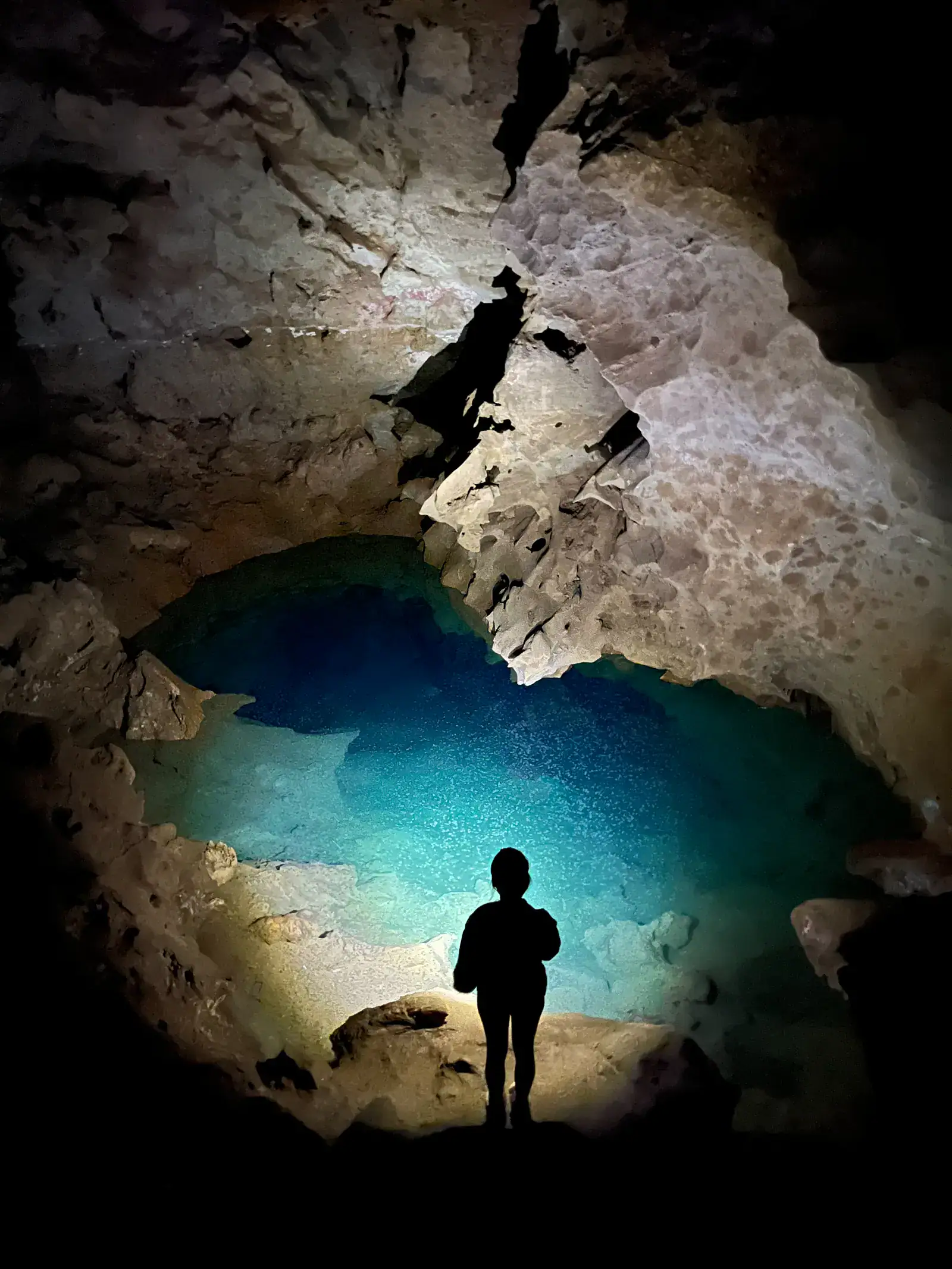
So this is not your typical cave where you join a tour, like at Kartchner Caverns. You must bring all your own light sources and it is self-guided. However, no fancy caving gear is required.
Along the way, there are a couple of tight spaces to crawl through, but I think this is what makes the experience so exciting. Thankfully, there are green arrows on the walls of the caves that point you in the correct direction. So you aren’t aimlessly wandering around the cave; it’s nearly impossible to get lost.
What makes Peppersauce Cave so unique is that there’s a beautiful blue underground lake at the end. No swimming is allowed, but just seeing it makes the trek worth it.
7. Go shopping in the historic 4th Avenue district
If you like independent shops, Historic 4th Avenue is the place to go. Locally known as “The Fourth”, this colorful stretch between downtown and the University of Arizona is packed with boutiques, vintage stores, bookstores, gift shops, restaurants and bars.
Start at Antigone Books, Tucson’s independent bookstore since 1973. It’s worth browsing the books, cards and gifts, and there’s also a colorful mural on the parking lot wall.
For something more distinctly Tucson, stop at Pop Cycle, which sells upcycled and locally made goods, including vintage clothing, home decor, gifts and jewelry.
There are also plenty of vintage and thrift stores, including Tucson Thrift Shop, a Fourth Avenue fixture since 1979. And don’t be afraid to wander down the side streets and pop into whatever catches your eye.
If you’re visiting during one of the 4th Avenue Street Fairs, even better. The avenue fills with hundreds of artists, food vendors and live entertainment, turning the whole district into a giant outdoor market.
8. See Mission San Xavier del Bac
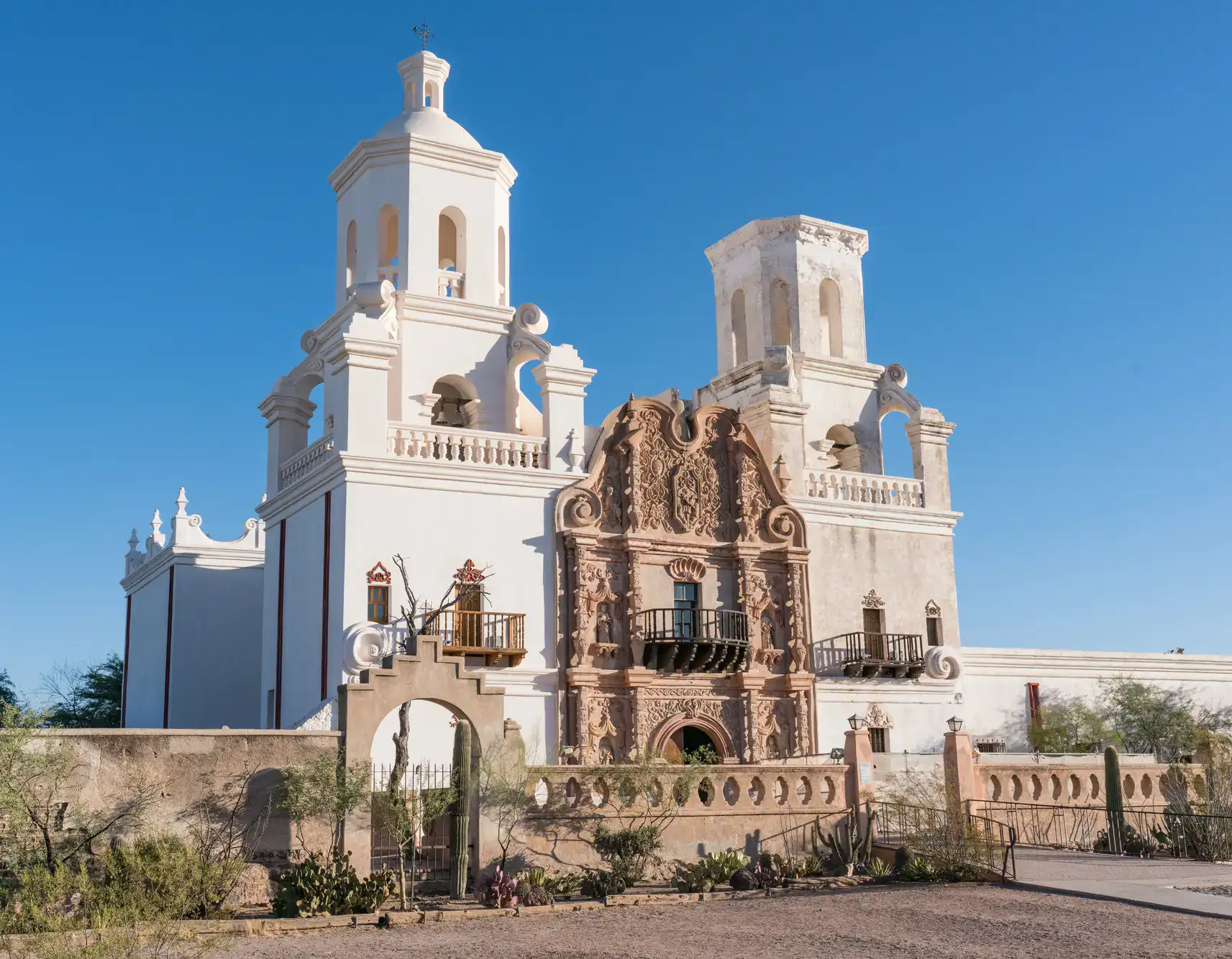
Mission San Xavier del Bac is a striking white Spanish Colonial church about 14 km (9 miles) south of downtown. Known as the “White Dove of the Desert,” it was founded by Jesuit missionary Father Eusebio Kino in 1692, while the beautiful church you see today was built by the Franciscans between 1783 and 1797.
The outside is impressive enough, but make sure you go inside. The interior is filled with colorful murals, carved wooden figures and elaborate Baroque details. The mission is still an active church and an important part of the Tohono O’odham community, so remember that you’re visiting a living place of worship.
If you’re a history lover like me, I’d allow a little extra time here. Free docent-led tours are available Monday through Saturday.
9. Visit Tucson Botanical Gardens
Need a little break from Tucson’s desert sun? Spend a couple of hours wandering through Tucson Botanical Gardens, a surprisingly lush oasis in the middle of the city.
The 5.5-acre garden is divided into themed areas, with colorful flowers, desert plants, shady paths and plenty of little spots to stop and admire the scenery.
One of the highlights is the Cox Butterfly & Orchid Pavilion, where you can walk among hundreds of tropical butterflies surrounded by orchids and other exotic plants. It’s especially fun if you’re visiting with kids, although I’m pretty sure adults will be just as excited when a butterfly lands on them 🦋
10. Explore colorful Barrio Viejo
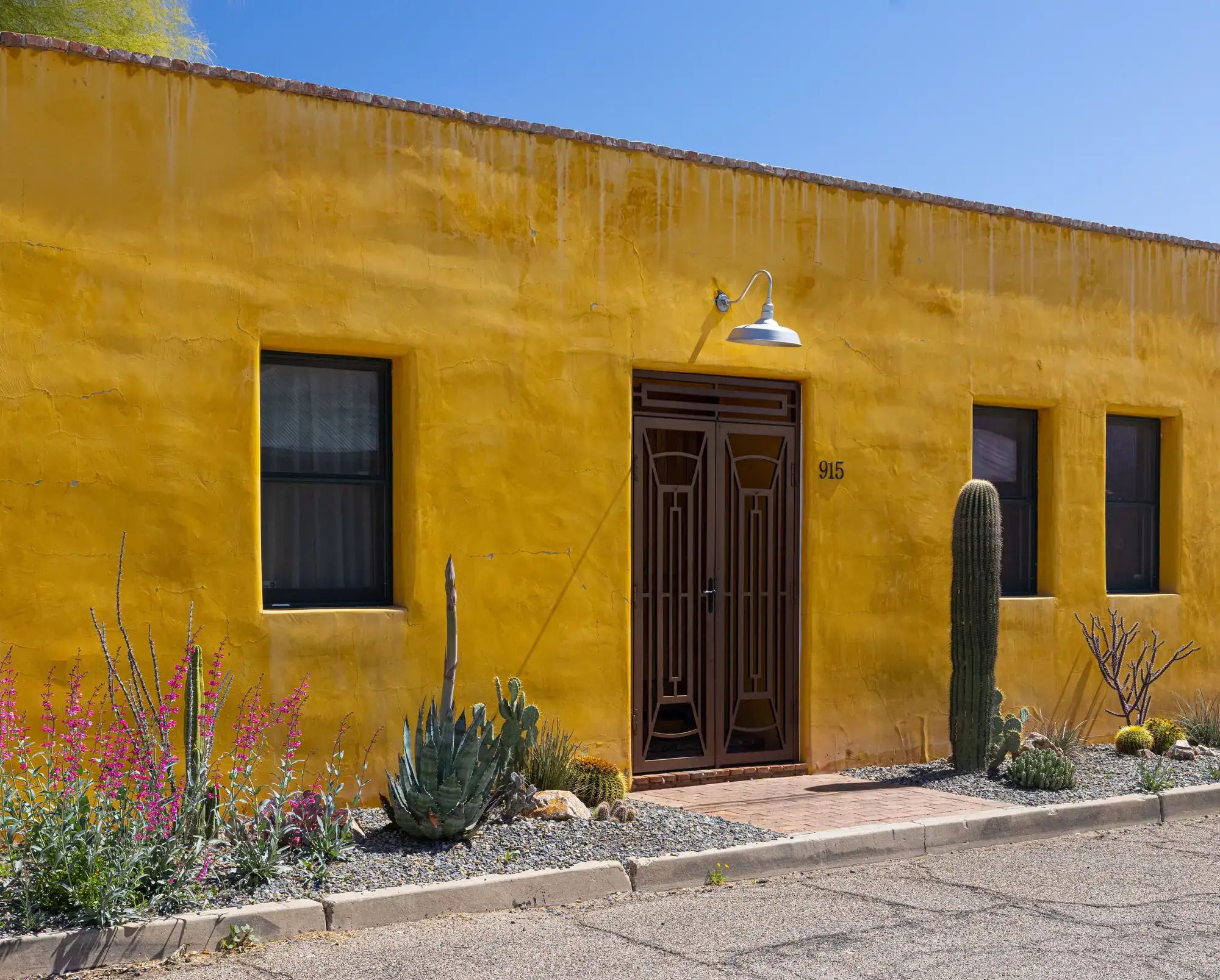
If you love colorful buildings and historic neighborhoods, Barrio Viejo should be high on your Tucson list. The name literally means “Old Neighborhood,” and I’d recommend putting the map away and simply wandering through the streets.
A National Historic Landmark, Barrio Viejo is home to one of the largest collections of 19th-century adobe buildings in the country. Generations of Mexican families, Chinese immigrants and other communities shaped the neighborhood.
For some history, stop at the Presidio San Agustín del Tucson Museum, which explores Tucson’s early history and Spanish colonial presidio, or look for El Tiradito, a tiny historic shrine with a rather unusual legend.
You’ll also find plenty of independent businesses, including Etherton Gallery for photography, Bahti Indian Arts for Native American art and Viejo Goods for vintage shopping (the owner is lovel.
11. Go stargazing
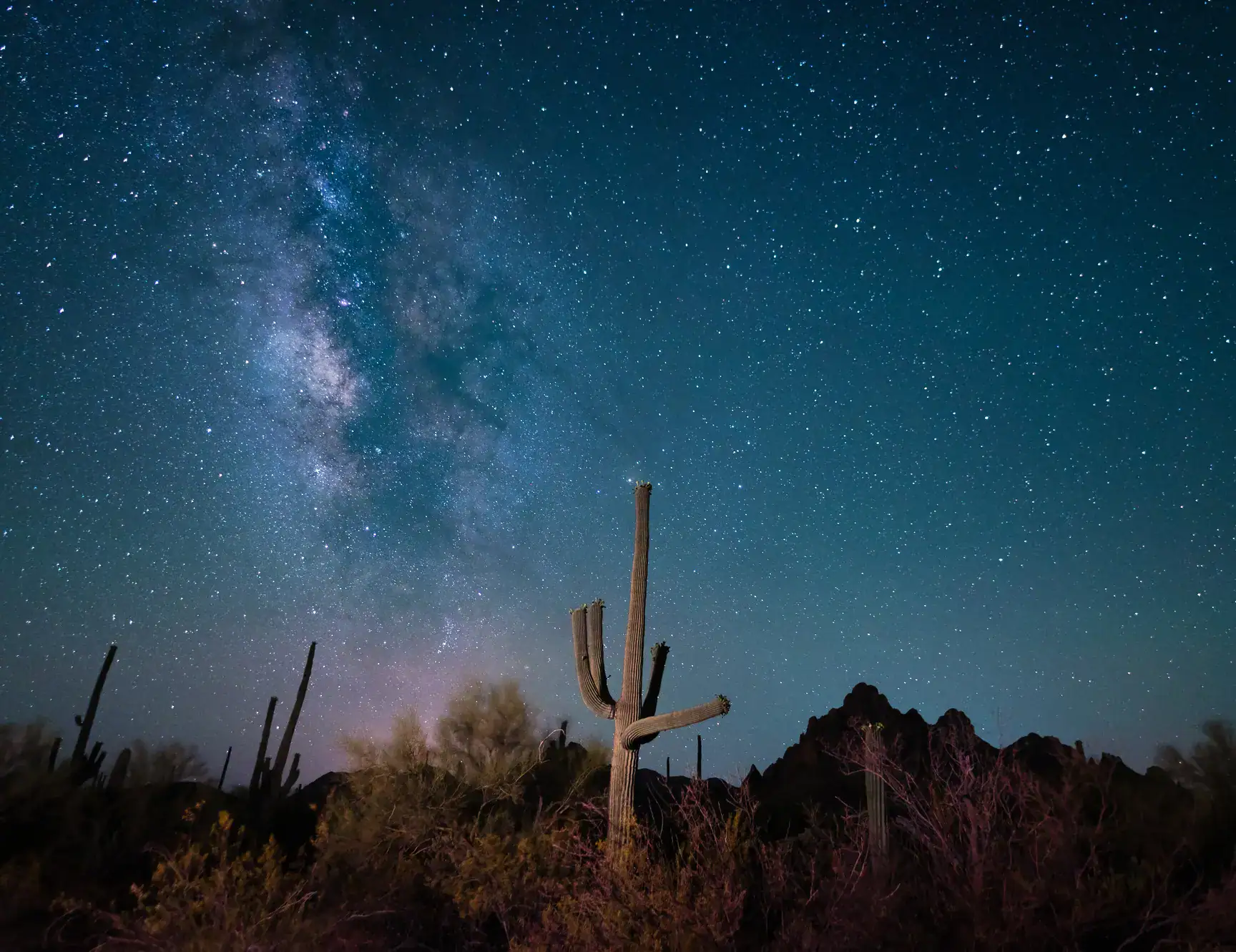
Tucson is one of those places where you really should look up after dark. Thanks to strict light-pollution regulations, the area has exceptionally dark skies and is home to several major observatories.
For a proper astronomy experience, book SkyNights at the Mount Lemmon SkyCenter, located more than 2,800 meters (9,100 feet) above Tucson. The evening experience includes sunset, dinner and time looking through powerful telescopes, with the chance to spot everything from planets and nebulae to distant galaxies.
Another option is Kitt Peak National Observatory, about 90 minutes southwest of Tucson. This working research observatory offers nighttime programs and telescope viewing.
Or keep it simple and stargaze for free. Saguaro National Park is an excellent option and a designated Urban Night Sky Place, meaning it offers surprisingly good stargazing despite being right next to Tucson. Gates Pass is another popular spot.
12. Geek out at Pima Air & Space Museum
Even if you’re not a huge aviation nerd, Pima Air & Space Museum is hard not to find impressive. The collection includes 400+ historic aircraft spread across six hangars and 80 acres of outdoor displays, so this is definitely not a tiny museum you can squeeze in between lunch and dinner.
Inside, you can see everything from the SR-71 Blackbird and F-14 Tomcat to WWII aircraft and space exhibits, while outside, you’ll find rows and rows of enormous planes.
I’d allow at least 3–4 hours here, especially if you want to explore the outdoor collection. There’s also a 45-minute narrated tram tour that takes you around the 80-acre grounds. The museum even has a restored B-17 Flying Fortress in the 390th Memorial Museum.
13. Experience the wild west in Old Tucson
If you’ve ever wanted to wander through an old Western movie set, Old Tucson is about as close as you’re going to get.
This historic film studio and entertainment park has been the backdrop for more than 500 movies and TV productions, including classic Westerns such as Rio Bravo and El Dorado. And now you can explore the old buildings, saloons and dusty streets while learning about its Hollywood history.
There are also live shows, stunt performances, rides and studio tours, so you can easily spend half a day here.
If you’re short on time, Trail Dust Town is a good alternative. This Old West-themed attraction is smaller and easier to explore in a couple of hours, with shops, a miniature train, carousel, Ferris wheel and the Pistoleros Wild West stunt show.
It’s also free to enter, so you can simply wander around and decide what you want to do.
14. Eat your way through Tucson’s food scene
If there’s one thing you should do in Tucson, it’s book a street food tour. Tucson was the first U.S. city designated a UNESCO Creative City of Gastronomy in 2015, and its food scene blends Native, Mexican, Spanish and other influences.
Mexican and Sonoran food should be high on your list, starting with a Sonoran hot dog. These bacon-wrapped hot dogs come loaded with pinto beans, tomatoes, onions, mayonnaise, mustard and salsa. Messy? Absolutely. Worth it? Also absolutely. 😂
For a classic, head to El Güero Canelo, whose Sonoran dog earned a James Beard America’s Classics award. Or try El Charro Café, which has been serving Mexican food since 1922 and is the nation’s oldest Mexican restaurant continuously operated by the same family.
Tip >> If you’re visiting during Sonoran Restaurant Week, it’s a great excuse to eat your way around the city, with more than 120 participating restaurants in September 2026.
Plan your trip
Here’s a quick overview of what you should know before visiting Tucson.
Best time to visit
The best time to visit Tucson is generally March through May and October through November, when temperatures are warm and pleasant without the intense summer heat.
🌱 Spring (March–May): This is one of my favorite times to visit Tucson. Temperatures are comfortable for hiking and sightseeing, and the desert can burst into bloom after a wet winter. By May, though, temperatures start climbing quickly, so earlier in spring is better if you plan to spend lots of time outdoors.
🍁 Fall (October–November): Another excellent time to visit, with warm days and much cooler evenings. October is still fairly warm, while November is particularly pleasant for exploring Tucson and the surrounding desert.
☀️ Summer (June–September): Tucson gets very hot, with average highs around 38°C (100°F) or higher in June, July and August. The summer monsoon season runs from mid-June through September and brings dramatic thunderstorms, rain and a surprisingly green desert. If you visit in summer, plan outdoor activities for early morning or evening and carry plenty of water.
❄️ Winter (December–February): Winter is actually a lovely time to visit Tucson, especially for a Norwegian like me. Days are generally mild, with average highs between 18 and 22°C (mid-60s to low 70s°F), although temperatures can drop considerably after sunset. Remember to bring layers.
Where to stay
Tucson is quite spread out, so where you stay can make a difference depending on what you want to do. Since you’ll probably have a car anyway, I wouldn’t worry too much about being right in the middle of downtown.
Here are three highly rated options worth checking out:
Arizona Inn
If you want somewhere with a little old-school Tucson charm, the Arizona Inn is hard to beat. This historic hotel has been a Tucson institution since 1930 and sits on 14 acres of beautifully landscaped grounds. With colorful gardens and multiple pools, it feels more like a retreat than a typical city hotel.
It’s also conveniently located near the University of Arizona and central Tucson. I paid $500 for two nights here in October.
Hacienda del Sol Guest Ranch Resort
For something that feels a little more like a desert getaway, take a look at Hacienda del Sol Guest Ranch Resort. Set against the Santa Catalina Mountains, this historic property has beautiful desert gardens, pools and plenty of Southwestern character.
This is the kind of place I’d choose if you want your hotel to be part of the experience rather than somewhere you simply sleep between sightseeing days.
Graduate by Hilton Tucson
If you’d rather be somewhere central, fun and a little more modern, Graduate by Hilton Tucson is a great option. It’s right by the University of Arizona, putting you close to restaurants, bars and 4th Avenue, while still being a convenient base for exploring the rest of Tucson.
What I love about this hotel is the quirky, colorful design throughout and a rooftop pool and bar. It is also the most affordable modern hotel I’ve stayed at in Tucson so far.
How to get around
Tucson is a pretty spread-out city, so how you get around depends on what you want to see. If you’re sticking to Downtown, 4th Avenue and the University of Arizona area, you can easily get around on foot. Especially if you’re Scandinavian like me 😅
The Sun Link Streetcar makes exploring the central areas even easier. The 6.2 km (3.9-mile) route connects the University of Arizona, 4th Avenue, Downtown and Mercado San Agustín, with plenty of restaurants, shops, galleries and attractions within walking distance of the stops.
Even better, riding the streetcar and Sun Tran buses is currently free!
For the rest of Tucson, though, I’d recommend renting a car. Many of the attractions on this list are spread across the city and the surrounding desert. And driving around is as much an experience in itself.
If you don’t want to drive, Uber, Lyft and taxis are also available, and Tucson has a bike-share system called Tugo, if you’re feeling energetic.
🌟 Read next >> 13 amazing day trips from Phoenix Arizona







Leave a Reply